
July 13, 2026
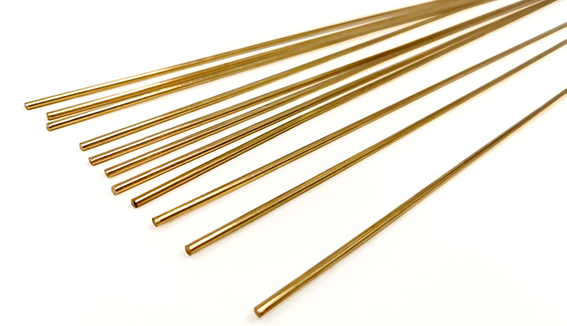
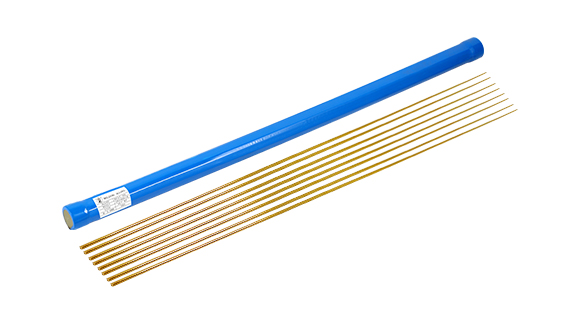
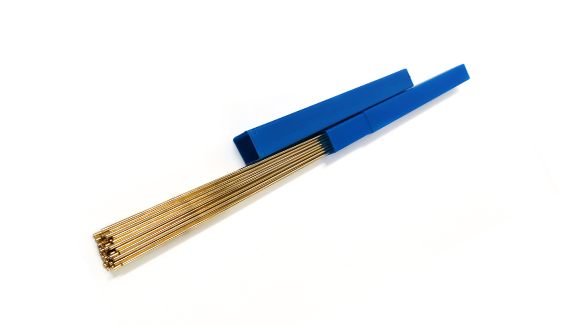
When purchasing an AWS A5.8 RBCuZn-C brass brazing rod, many buyers compare only price and chemical
composition. On paper, most suppliers offer products that meet the same specification.
However, once the rods reach the production floor, the results can be dramatically different.
Some brazing rods produce smooth, bright joints with excellent flow characteristics. Others generate excessive white
fumes, unstable arc behavior during braze welding, poor wetting, pinholes, or porous joints that require expensive rework.
Why does this happen?
The answer lies not only in the alloy composition, but also in manufacturing quality, raw materials, process control,
and quality inspection.
At XINXIN WELDING, we have spent years improving every stage of RBCuZn-C production to eliminate these
common industry problems.
Common Problems Found in Standard RBCuZn-C Brazing Rods
1. Excessive Zinc Evaporation
RBCuZn-C contains a relatively high percentage of zinc.
During brazing, zinc naturally begins to evaporate as the filler approaches brazing temperature. If the alloy composition
is unstable or the manufacturing process is poorly controlled, zinc vaporization becomes excessive.
Typical symptoms include:
▶ Heavy white smoke during brazing
▶ Blackened filler metal
▶ Rough weld appearance
▶ Increased zinc oxide formation
▶ Difficult puddle control
Excessive zinc loss also changes the alloy composition inside the molten filler, reducing flow consistency. Zinc
volatilization is a well-known cause of fumes and porosity concerns in brass brazing, which is why many low-fuming
bronze formulations incorporate small additions of elements such as silicon, tin, iron, and manganese to better control
zinc behavior.
2. Poor Fluidity
Some low-cost manufacturers simply blend alloying elements without accurately controlling melting temperature or
holding time.
This often leads to:
▶ uneven alloy distribution
▶ inconsistent melting behavior
▶ sluggish capillary action
▶ incomplete joint filling
The operator must use more heat to force the filler to flow, increasing the risk of overheating the base metal.
3. Porosity Inside the Joint
Porosity remains one of the biggest quality concerns in brass brazing.
Typical causes include:
▶ excessive zinc evaporation
▶ oxide contamination
▶ trapped gas
▶ unstable alloy chemistry
▶ improper wire manufacturing
Although porosity may not always be visible on the surface, it significantly reduces joint strength and sealing
performance. Industry guidance consistently identifies zinc vaporization, contamination, and poor heat control as
leading contributors to porosity in brass brazing.
4. Inconsistent Rod Diameter
Diameter variation is often overlooked.
When wire diameter fluctuates, operators experience:
▶ unstable filler feeding
▶ inconsistent melting rate
▶ varying filler consumption
▶ uneven bead appearance
This becomes especially problematic on automated production lines.
5. Oxidized Surface
Some manufacturers store finished rods for extended periods without adequate protection.
Surface oxidation results in:
▶ poor wetting
▶ increased flux consumption
▶ delayed filler flow
▶ darker brazed joints
How XINXIN WELDING Eliminates These Problems
At XINXIN WELDING, our goal is not simply to manufacture an AWS-compliant brazing rod.
Our objective is to produce a filler metal that performs consistently in real production environments.
High-Purity Raw Materials
We begin with carefully selected electrolytic copper and high-quality alloying materials.
Every incoming batch is inspected before production to reduce impurity levels that may contribute to porosity or
unstable melting.
Optimized Alloy Design
Although our product complies with AWS A5.8 RBCuZn-C, we carefully optimize the balance of minor alloying
elements such as:
▶ Silicon
▶ Tin
▶ Iron
▶ Manganese
These additions help:
▶ reduce zinc evaporation
▶ improve fluidity
▶ stabilize the molten pool
▶ minimize porosity
▶ improve bead appearance
This alloy design approach is consistent with established low-fuming bronze practice, where controlled additions
improve flow and suppress excessive zinc volatilization.
Precision Continuous Casting
Instead of relying on traditional melting practices alone, XINXIN WELDING applies strict process control throughout
continuous casting.
Benefits include:
▶ uniform alloy distribution
▶ stable grain structure
▶ improved consistency
▶ reduced internal segregation
Tight Wire Drawing Tolerance
Every drawing stage is closely monitored.
The result is:
▶ consistent diameter
▶ smooth surface
▶ excellent straightness
▶ stable feeding performance
This is especially important for robotic and automated brazing applications.
Multiple Quality Inspections
Every production batch undergoes comprehensive inspection, including:
▶ chemical composition verification
▶ dimensional inspection
▶ surface quality inspection
▶ brazing performance testing
▶ visual bead evaluation
Only qualified products are released for shipment.
The Result Customers Can See
Compared with ordinary RBCuZn-C brazing rods, XINXIN WELDING products help customers achieve:
▶ smoother filler flow
▶ cleaner weld appearance
▶ reduced zinc fumes
▶ lower porosity risk
▶ improved capillary action
▶ stable batch-to-batch consistency
▶ reduced rework
▶ higher production efficiency
Typical Applications
XINXIN WELDING RBCuZn-C is widely used for brazing:
▶ Carbon Steel
▶ Low Alloy Steel
▶ Stainless Steel
▶ Cast Iron
▶ Copper Alloys
▶ Nickel Alloys
Typical industries include:
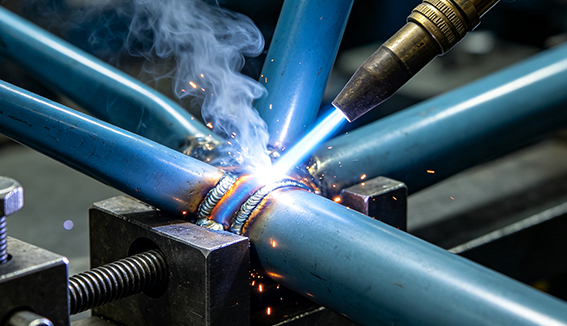
▶ Bicycle frame manufacturing
▶ Steel furniture
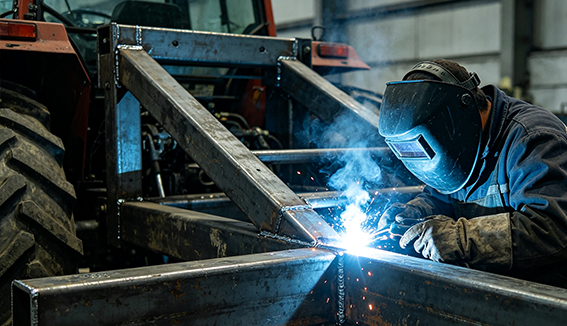
▶ Agricultural equipment
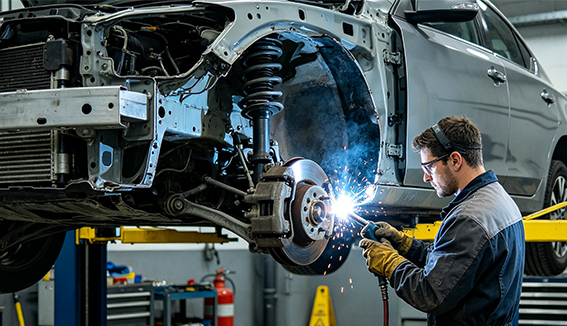
▶ Automotive repair
▶ Hardware fabrication
▶ Steel structures
▶ Metal furniture
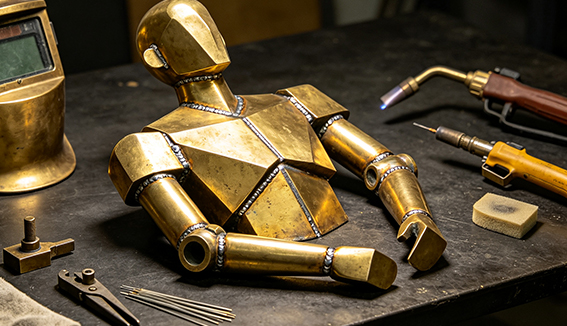
▶ Artistic metalwork
▶ General fabrication
More Than Meeting a Standard
Many suppliers can manufacture an RBCuZn-C rod that satisfies the chemical requirements of AWS.
Far fewer can consistently deliver the same brazing performance from one production batch to the next.
At XINXIN WELDING, we believe customers are purchasing more than a filler metal—they are purchasing production
stability.
By focusing on alloy consistency, manufacturing precision, and rigorous quality control, we help manufacturers reduce
defects, improve productivity, and produce cleaner, stronger brazed joints every day.
If you are looking for a reliable RBCuZn-C Brass Brazing Rod with stable quality and dependable performance,
XINXIN WELDING is ready to support your production with professional brazing solutions tailored to industrial applications.